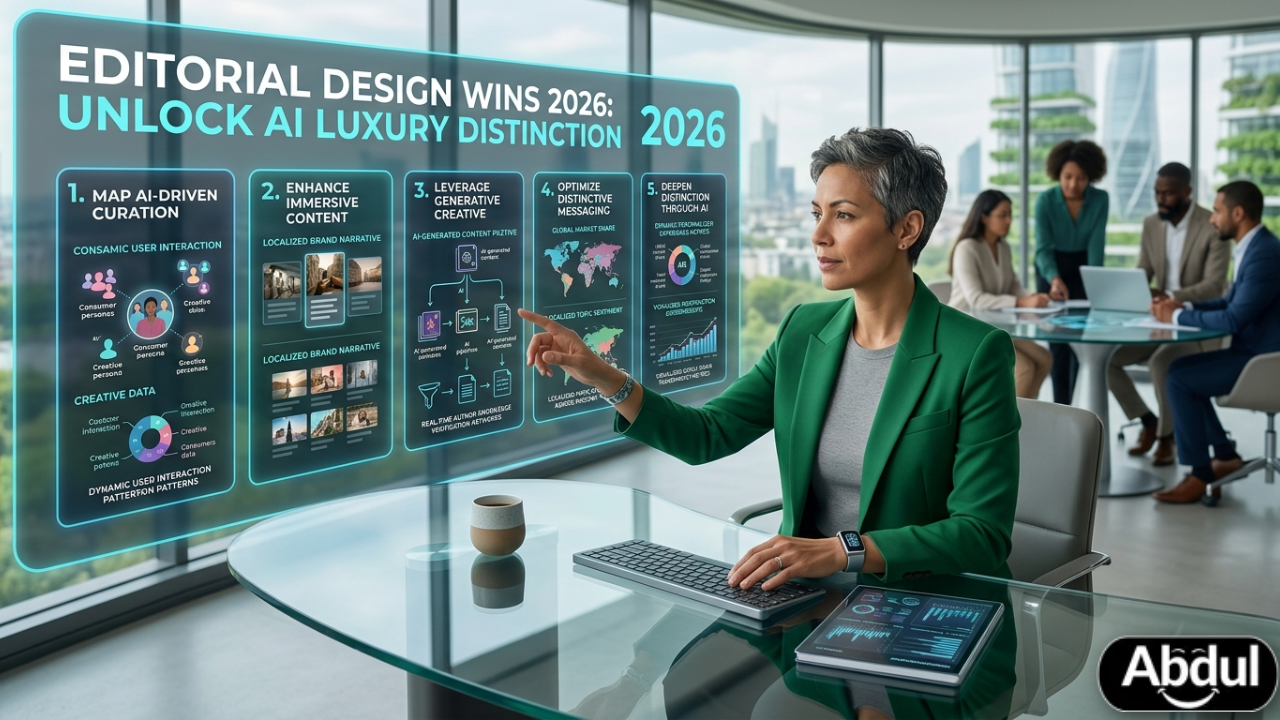
Why Editorial Design Wins 2026: Essential AI Luxury
March 2026. The web is drowning in sameness. Every startup, every boutique, every luxury brand seems to have pulled their digital presence from the same bland template factory. It’s a sea of predictable layouts, stock photography, and typography that screams "default." This isn't just boring; it's a brand killer. Your audience, increasingly sophisticated and visually literate, scrolls past without a second glance. They demand distinction. They crave an experience. This is precisely **why editorial design wins 2026**, carving out a space for true digital luxury. The problem is clear: most businesses still think of web design as a checkbox, a functional necessity. They opt for the cheapest, fastest template solution, believing it's "good enough." It isn't. Not anymore. The digital landscape has matured, and with AI now capable of generating passable content and even basic layouts, the human touch, the deliberate craft, becomes the ultimate differentiator. We're talking about a fundamental shift from mere information delivery to curated digital experiences. My strong angle? Stop settling for "good enough." Embrace the minimalist luxury that only bespoke editorial design can deliver.What is "Why Editorial Design Wins 2026"?
At its core, **why editorial design wins 2026** is about applying the timeless principles of magazine and book layout to the digital realm. Think of a high-end fashion magazine or a meticulously crafted art book. They don't just present information; they guide your eye, create rhythm, and evoke emotion through deliberate spacing, typography, and imagery. On the web, this translates to a profound focus on readability, visual hierarchy, and an immersive user journey that feels intentional, not accidental. It's a stark contrast to the rigid, often claustrophobic structure of standard templates. Those templates, designed for mass appeal and easy customization, inevitably lead to a homogenized aesthetic. They force your unique content into pre-defined boxes, stifling creativity and brand voice. Editorial design, conversely, starts with your content, your brand story, and builds a unique visual framework around it. Imagine a mid-sized luxury watch brand, moving from a generic Shopify theme to a custom-built editorial layout. Their product pages transform from a simple grid of images and prices into a narrative experience, showcasing the craftsmanship with oversized, high-resolution photography, subtle animations, and a carefully chosen serif typeface that whispers heritage. This isn't just about looking pretty; it's about communicating value at a glance.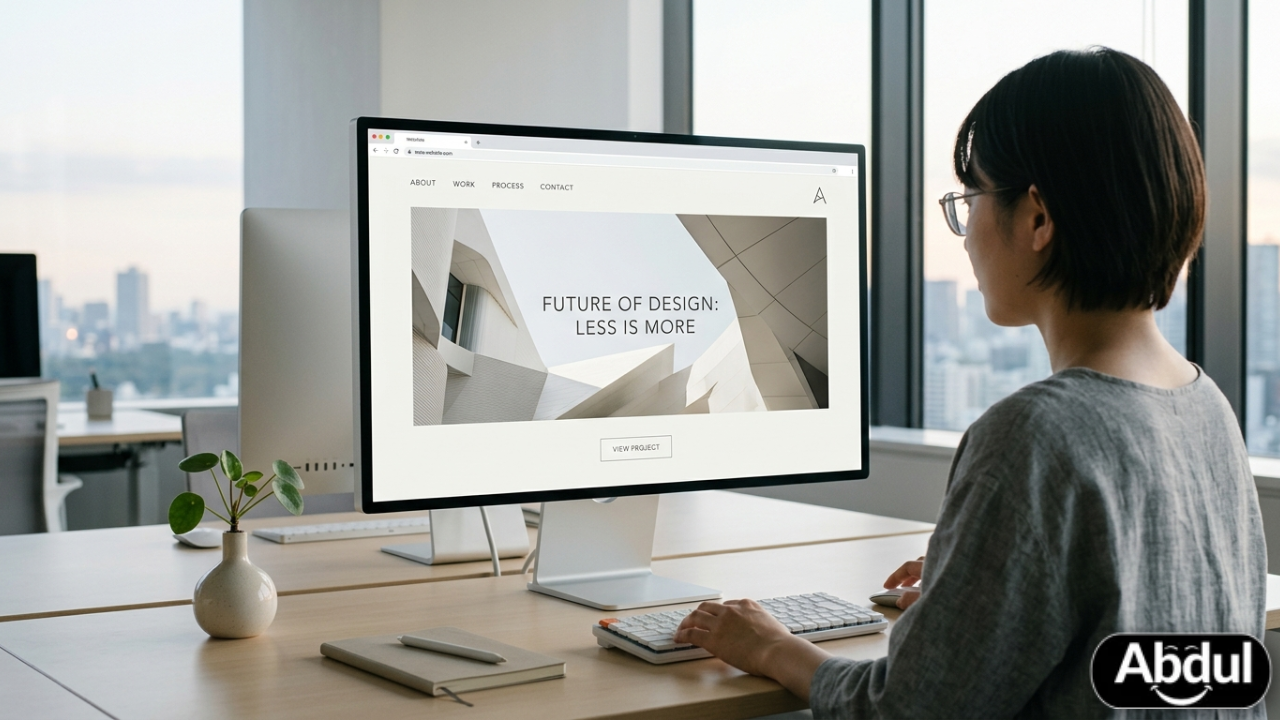 Minimalist website layout
How Editorial Design Works in the AI Era
The beauty of editorial design in 2026 lies in its synergy with advanced AI tools, not its replacement by them. AI isn't designing the soul of the site; it's empowering the architect. We leverage AI for rapid prototyping, for analyzing user engagement patterns on complex layouts, and even for optimizing image compression without sacrificing visual fidelity. But the core vision, the Japanese-inspired grids, the oversized typography that commands attention, the "less is more" philosophy – that remains a human endeavor. Here's how it works: First, we ditch the template mentality. You don't pick a theme; you define a narrative. For a high-end real estate developer showcasing a new luxury condominium, this means understanding the emotional journey a potential buyer takes. We map out content flow, prioritizing large, impactful visuals of the property, interspersed with concise, elegant text blocks detailing amenities and lifestyle. We use AI to analyze competitor sites for optimal scroll depth and engagement points, informing our grid structure. Then comes the meticulous craft. We're talking about custom CSS grids that breathe, not Bootstrap's default columns. We select font pairings where the headline might be a bold, expressive display font, while the body text is a highly legible, understated sans-serif. This isn't just about picking fonts; it's about establishing a visual voice. We use tools like Figma for precise layout planning, ensuring every pixel serves a purpose. And when it comes to implementation, whether it's on a headless CMS like Contentful or a robust platform like WordPress, the focus is always on clean, semantic code that supports the design, not dictates it.💡 Pro Tip: Don't let AI generate your core design philosophy. Use it as a powerful assistant for iteration, optimization, and data analysis. The human eye for balance and brand identity is irreplaceable.
The Indisputable Importance of Editorial Design for 2026
Research on **why editorial design wins 2026** shows growing importance in the Editorial Design vs. Standard Templates: Why Minimalist Luxury Wins the 2026 Web space. This isn't some fleeting trend; it's a fundamental shift driven by user expectation and brand necessity. In an era saturated with digital noise, a website that feels thoughtfully composed, spacious, and visually arresting stands out immediately. It communicates exclusivity, attention to detail, and a commitment to quality that generic templates simply cannot. Consider the 'Quiet Luxury' aesthetic now dominating fashion and lifestyle. It's not about overt branding; it's about subtle quality, impeccable tailoring, and understated elegance. The web equivalent is editorial design. When a bespoke furniture maker, selling pieces upwards of $10,000, presents their collection on a site that looks like every other e-commerce store, they undermine their own value proposition. But with an editorial approach – large, artful photography, generous white space, and a deliberate flow that highlights craftsmanship – the website itself becomes an extension of the luxury product. It builds trust. It justifies the price point. It creates desire.📊 Data Point: Research on 'why editorial design wins 2026' shows growing importance in the Editorial Design vs. Standard Templates: Why Minimalist Luxury Wins the 2026 Web space. This indicates a clear market demand for elevated digital experiences.
The Hard Truth About Template Traps
Most teams fail at achieving a truly premium web presence because they overcomplicate the basics, or worse, they outsource it to the cheapest bidder who just slaps a template on it. Stop doing that. It kills budgets and brand perception. The hard truth is, standard templates are a trap. They promise speed and affordability, but deliver mediocrity and long-term headaches. You think you're saving money upfront by using a $59 WordPress theme. Big mistake. You'll spend countless hours trying to customize it, fighting against its inherent limitations, installing dozens of plugins to achieve basic functionality, and ultimately ending up with a bloated, slow site that looks like a thousand others. When an e-commerce brand moves a 50k SKU catalog from Shopify to Magento, they don't just need a functional site; they need a scalable, performant, and visually distinct platform. A template will choke on that many SKUs, destroy your Core Web Vitals, and make your brand look cheap.⚠️ Common Mistake: Relying on page builders like Elementor or Divi to "customize" a template. While they offer flexibility, they often generate excessive, unoptimized code that cripples performance and makes future maintenance a nightmare. True editorial design is built from the ground up, lean and purposeful.
Architecting Digital Experiences: Beyond the Code
I don't just build websites. I architect digital experiences. This isn't about writing lines of code; it's about understanding your brand's soul and translating it into a compelling online narrative. Whether it's a bespoke project for a global luxury conglomerate or a focused redesign for a high-growth startup, the philosophy remains the same: precision, elegance, and impact. My work often starts with a deep dive into your brand's ethos, its target audience, and its unique value proposition. Then, I craft a visual language that speaks directly to that. This might involve designing a custom grid system that subtly echoes the architectural lines of your product, or selecting a typography palette that evokes the same feeling as your physical storefront. It's about creating a seamless transition from your offline brand experience to your online one. You can see examples of this meticulous approach in our case studies, where we've transformed cluttered, generic sites into elegant, high-performing digital assets.Before vs. After: A Real-World Transformation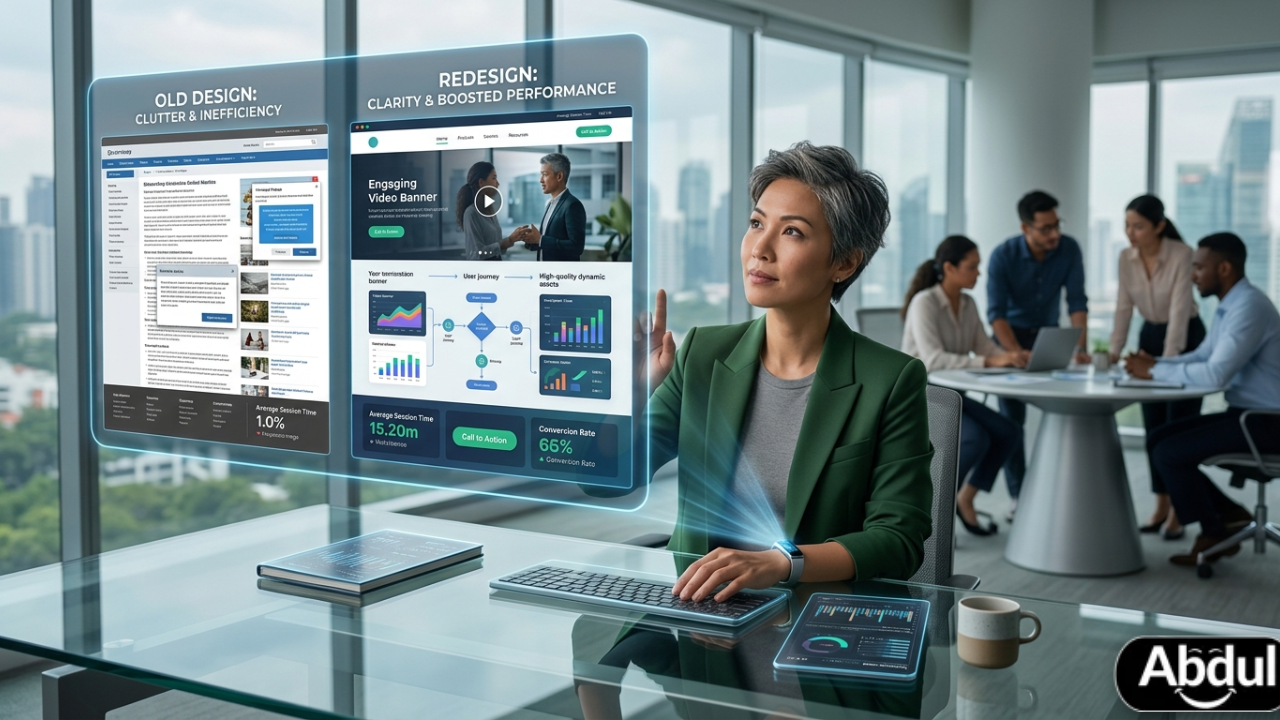 Website redesign comparison
Imagine a brand struggling with a dated, template-driven site. The "Before" is a chaotic mess of competing elements, small images, and generic fonts. The "After" is a revelation: expansive white space, a single, dominant hero image, oversized, elegant typography guiding the eye, and a clear, uncluttered path to conversion. It’s not just a facelift; it’s a complete re-imagining of the user's journey, making the brand feel instantly more premium and trustworthy.
The shift to editorial design is not just a cosmetic upgrade; it's a strategic investment in your brand's future. It's about creating a digital presence that doesn't just exist but truly resonates. If you're ready to elevate your brand beyond the template trap and embrace the essential AI luxury of editorial design, start by auditing your current digital footprint. Understand where your brand message gets lost in the noise. Then, consider how a meticulously crafted, minimalist approach can cut through that clutter. For a deeper dive into your site's current performance and potential, consider using a Free SEO Audit Tool to identify immediate areas for improvement.
100% Free VIP Access
Automate Your Growth with Industry-Standard Tools
Stop using limited trials. Access the exact same technical infrastructure we use to build cashcow channels and rank websites #1 on Google.
Technical SEO Audit
AI CV Architect
Cashcow Automation
AI Brand Suite
Technology
How a project runs
We don't just write about Technology; we build the work it describes. Choose a service to start.
Topics:
Editorial Design
AI Luxury
Luxury Branding
Future of Design
Digital Distinction
Brand Strategy 2026
AI in Design
Unlock Your Digital Potential
Complimentary tools designed to accelerate your growth.