Beyond SEO: How to Optimize Your Brand for the 2026 AI Search Era
Traditional SEO is dead. Let's be blunt. If your marketing team is still chasing keyword rankings and backlink profiles like it's 2018, you're not just behind, you're actively bleeding budget. The search landscape has fundamentally shifted. We're in March 2026, and generative AI isn't just a feature; it's the core engine driving how users find information, products, and services. Your brand's visibility now hinges on its ability to influence AI-generated summaries and recommendations, not just appear on a SERP. This isn't an evolution; it's a revolution. It demands a complete overhaul of how you approach digital presence, and it starts with understanding how to **optimize brand AI search 2026**.What is Generative Engine Optimization (GEO) and Why It's Not SEO 2.0?
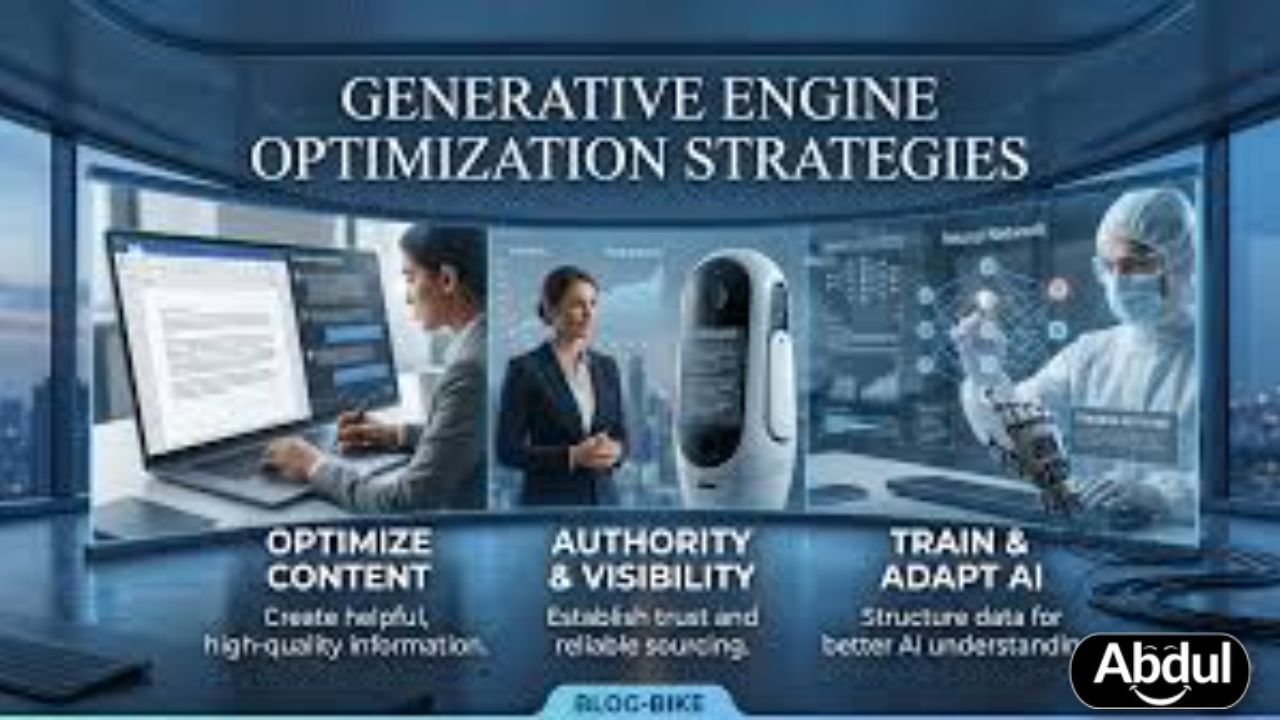
Forget "SEO 2.0." That's a marketing buzzword for incremental changes. Generative Engine Optimization (GEO) is a paradigm shift. It's about structuring your brand's digital footprint so that AI models, large language models (LLMs), and autonomous AI agents can accurately understand, synthesize, and recommend your business. When we talk about how to **optimize brand AI search 2026**, we're talking about moving beyond mere visibility to direct recommendation. Traditional SEO aimed for Page 1. GEO aims for inclusion in the AI's direct answer, the conversational summary, or the agent's personalized suggestion. Imagine a user asking their AI assistant, "What's the best project management software for a remote team of 20?" The AI doesn't just list ten links. It provides a concise, synthesized answer, potentially recommending one or two specific platforms, complete with pros and cons, pulled directly from its understanding of the web. Your goal is to be one of those recommended platforms. This requires a deep dive into your content's factual accuracy, consistency, and semantic clarity. An e-commerce brand selling artisanal coffee beans, for instance, needs its product descriptions, origin stories, and brewing guides to be so crystal clear and consistently presented across all platforms that an AI agent can confidently tell a user, "For single-origin Ethiopian Yirgacheffe, 'Bean & Brew Co.' consistently receives high marks for freshness and ethical sourcing." That's the new Page 1.💡 Pro Tip: Stop thinking about keywords as individual terms. Start thinking about semantic entities and relationships. Your brand, products, services, and their attributes need to be defined with machine-readable precision. AI chatbot interface
AI chatbot interfaceHow AI Search Actually Works (And Why Your Old Tactics Fail)
The mechanics behind AI search are fundamentally different from the old keyword-matching algorithms. AI agents don't just crawl pages; they *comprehend* them. They build intricate knowledge graphs, connecting entities, facts, and relationships across the entire web. When you **optimize brand AI search 2026**, you're feeding this knowledge graph. Here's how it works: AI models ingest vast amounts of data – your website, social media, reviews, industry reports, even competitor data. They don't just look for keywords; they analyze context, sentiment, authority signals, and factual consistency. If your website claims a product has "industry-leading security," but your GitHub repository shows unpatched vulnerabilities, the AI will likely flag that inconsistency, or worse, simply ignore your claim. This is why old tactics like keyword stuffing are not just ineffective; they're detrimental. An LLM can easily identify and discount repetitive, unnatural language. Backlink spam? Irrelevant. The AI cares about genuine authority, demonstrated expertise, and consistent, verifiable information. A B2B SaaS company with complex whitepapers needs those documents to be structured with clear headings, defined terms, and verifiable data points. If the AI struggles to extract specific features or use cases from a dense PDF, your brand won't make the cut for a relevant query. Prompt Engineering Strategies for Brand Visibility in AI Search Overviews are now paramount. It's not about what *you* type into Google, but how well your content anticipates and answers the complex, conversational prompts users give to their AI assistants. This means your content needs to be comprehensive, authoritative, and structured for easy extraction of specific answers.⚠️ Common Mistake: Many brands are still creating content for human readers *first* and AI second. This is backwards. Your content needs to be AI-digestible first, then human-readable. If the AI can't parse it, humans won't even see it.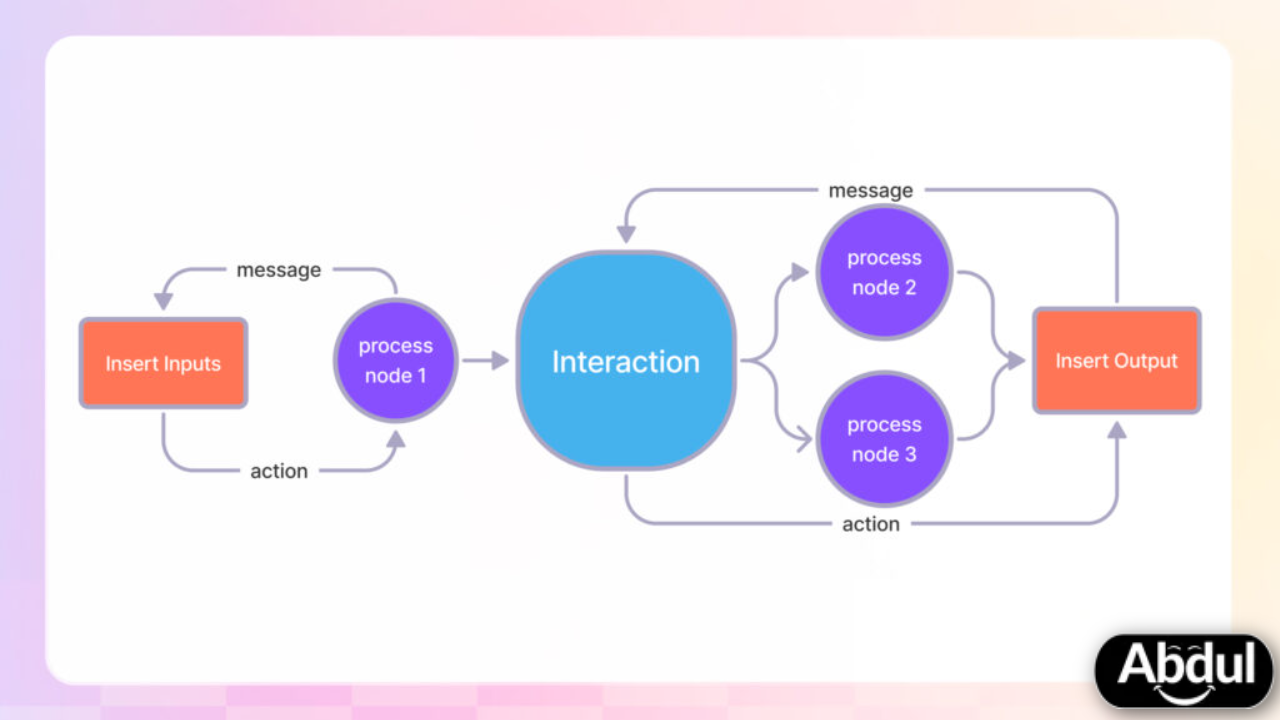 Data flow diagram AI
Data flow diagram AIThe Non-Negotiable Imperative: Why You Must Optimize Brand AI Search 2026
The importance of optimizing your brand for AI search cannot be overstated. It's not an optional upgrade; it's a matter of market survival. Your brand's reputation, trust, and ultimately, its revenue, are directly tied to how AI agents perceive and recommend it. Consider a local roofing contractor. If a homeowner asks their AI assistant, "Find me a reliable roofer in [city]," and the AI pulls information from inconsistent local listings, outdated review sites, or a poorly structured website, that contractor simply won't get the lead. The AI will prioritize businesses with clear service offerings, consistent contact details, verifiable testimonials, and a strong, coherent digital presence. Building Brand Authority with Knowledge Graph Optimization (KGO) is critical here. This means ensuring your brand's core facts – name, address, phone, services, unique selling propositions – are identical and verifiable across every digital touchpoint.📊 Data Point: Research on 'optimize brand AI search 2026' shows growing importance in the Beyond SEO: How to Optimize Your Brand for the 2026 AI Search Era (GEO) space. This isn't just a trend; it's the new baseline for digital success.
An AI agent acts as a gatekeeper, a trusted advisor. If your brand isn't accurately represented in its knowledge base, you're invisible. This impacts everything from lead generation for a financial advisor to product discovery for a niche e-commerce store. If a healthcare provider's service descriptions are vague, or their doctor profiles are incomplete, an AI assistant won't recommend them for specific conditions. The stakes are incredibly high. You need to ensure Generative AI Content Audits for Brand Consistency & Factual Accuracy 2026 are a core part of your strategy. Every piece of content, every data point, must align perfectly.
The Hard Truth About Your "SEO Strategy"
Let's cut the fluff. Most of what passes for "SEO strategy" right now is a waste of time and money. Your team is likely still chasing metrics that AI simply doesn't care about. They're optimizing for a machine that no longer exists. Stop doing it. It kills budgets. You're probably still obsessing over keyword density, meta descriptions, and link building campaigns that yield diminishing returns. Inside the WordPress dashboard, those old Yoast green lights mean nothing to an AI agent trying to synthesize a complex answer. Google's algorithms have moved lightyears beyond simple keyword matching. And the generative AI models? They operate on an entirely different plane. Most teams fail at this because they overcomplicate the basics, or they refuse to accept that their tried-and-true methods are obsolete. They're stuck in the past, trying to force square pegs into round, AI-powered holes. Your content isn't just for humans anymore; it's training data for the most powerful information retrieval systems ever built. If that data is messy, inconsistent, or semantically ambiguous, your brand will be overlooked. Period. The hard truth is, if you haven't performed a comprehensive Generative AI Content Audit for Brand Consistency & Factual Accuracy 2026, your brand is at severe risk. You need to identify every piece of content that could be ingested by an AI, from your product pages to your customer support FAQs, and ensure it's accurate, unambiguous, and aligned with your brand's core messaging. This isn't about minor tweaks; it's about a complete re-architecture of your digital information. The time for incremental improvements is over. You need to aggressively pivot your strategy to truly **optimize brand AI search 2026**. The future of your brand's digital presence hinges on this immediate, decisive action. Stop wasting resources on outdated SEO tactics. It's time to understand how AI agents perceive your brand and ensure they can accurately recommend you. To get a clear picture of where your brand stands, we offer Website Quick Audits that now include a specialized "GEO-Readiness" check. This assessment reveals if AI agents can actually find and recommend your business, pinpointing exactly where your current strategy is failing. Don't guess; know. Learn more about our Free SEO Audit Tool and review our case studies to see how we've helped brands navigate this new era. 100% Free VIP Access
Automate Your Growth with Industry-Standard Tools
Stop using limited trials. Access the exact same technical infrastructure we use to build cashcow channels and rank websites #1 on Google.
Technical SEO Audit
AI CV Architect
Cashcow Automation
AI Brand Suite
Technology Growth Units
Deploy the AbdulTSD Protocol
We don't just write about Technology; we build the infrastructure that dominates it. Choose a unit to start.
Topics:
AI Search
GenAI Audit
Brand Optimization
Generative AI
SEO 2026
AI Marketing Strategy
Future-Proof Brand
AI Content
Unlock Your Digital Potential
Complimentary tools designed to accelerate your growth.